The first bites usually show up after a train journey home, a stay in a PG, or a second-hand diwan from a neighbour. Within a week the family is trying everything at once: kerosene on the bed frame, neem leaves under the mattress, the gadda out in the sun on the terrace. A few days later the bites are back.
Khatmal (खटमल) are hard to clear at home because most home remedies miss the eggs. Here is what fails, what genuinely helps, and how to time it.
Can you get rid of bed bugs at home?
You can reduce them a lot, but finishing the job yourself is rare. NHS 111 Wales says plainly that it is very difficult to get rid of bed bugs yourself (NHS 111 Wales), and the US Environmental Protection Agency's do-it-yourself guide warns that you may have to repeat the steps more than once to kill all the bugs and their eggs.
The reason is the eggs. A female lays a few eggs a day for about 10 days after a single blood meal, according to Virginia Cooperative Extension, gluing them into mattress piping, screw holes and the joints of the bed frame. Anything that doesn't reach those spots, or doesn't kill eggs, leaves the next generation behind.
Bed bug home remedies that fail, and why
These are the remedies we hear about most often on our visits across Delhi NCR.
| Remedy | Why people try it | What actually happens | The risk |
|---|---|---|---|
| Kerosene on the bed or frame | Strong smell, kills on contact | Kills only bugs it soaks; eggs in seams and bugs in cracks survive | The EPA warns kerosene, rubbing alcohol and petrol could harm your family and can easily ignite with a spark or a cigarette (EPA) |
| Rubbing alcohol or spirit | Sold as a quick spray | Texas A&M AgriLife says eggs are not killed by alcohol-based sprays | Fire risk near a bed, a mosquito coil or a diya |
| Neem leaves or kitchen neem oil | A trusted household remedy | Leaves under a mattress don't reach the bugs; kitchen neem oil has no label dose | Oily stains; false sense of safety |
| Sunning the mattress | Heat kills bed bugs | The outside of a thick gadda warms up; the core, the seams underneath and the bed frame don't | In November–January Delhi sun is too weak |
| Baking soda | Said to dry them out | No good evidence that it kills bed bugs or eggs | Mostly a mess |
| Vinegar | Said to repel or kill | Kills only what it soaks, leaves nothing behind, and doesn't affect eggs | Smell; damp mattress |
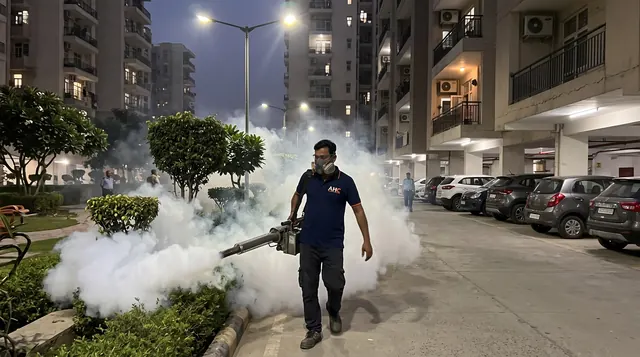
| Shop aerosol or fogger | Easy to buy | The EPA says fogger spray will not reach the cracks where bed bugs hide | Bugs scatter to the sofa and the next room |
Swipe to see the whole table
Texas A&M does mention two tested plant-oil products that did well against bed bugs and eggs in a university study, but those were formulated, labelled products, not neem leaves or cooking oil.
What actually helps at home: step by step
These steps don't replace treatment of the bed and room, but they make it far more likely to work. Allow an afternoon for the first round.
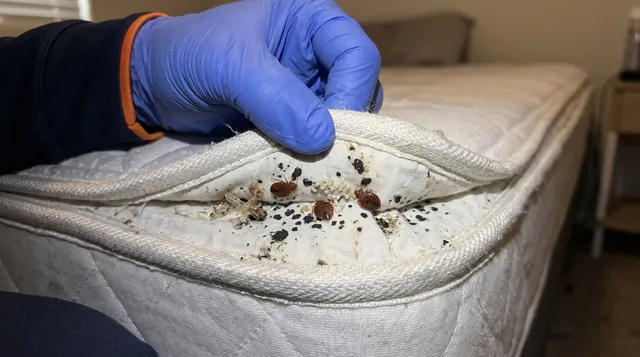
- Confirm it's bed bugs (10 minutes). Strip the bed in daylight or under a torch held low. Run a visiting card along the mattress piping, the tufts and the zip, then check the bed frame joints and screw holes. Look for rust-red or black spots, pale shed skins, tiny white eggs and the flat brown bugs. Photograph what you find.
- Bag everything washable in the room (15 minutes). Sheets, pillow covers, razai covers, curtains and the clothes on the bedside chair go straight into plastic bags in the room, tied shut, and are carried to the washing machine. This stops bugs dropping on the way.
- Wash hot, then dry hot (2–3 hours of machine time). NHS 111 Wales advises a hot wash at 60°C and a tumble dry on a hot setting for at least 30 minutes. On most machines that is the "Cotton 60" setting. Texas A&M notes that tumble drying for 30 minutes on high kills all stages of bed bugs. No dryer? Ironing both sides of covers is a fallback; winter sun alone isn't hot enough.
- Seal what can't be washed. Silk, wool or printed fabrics go in a hot dryer for 30 minutes if the label allows, or into a sealed bag until treatment is done. Small items can also be frozen: the EPA says a sealed bag needs three days at about −18°C, which many home freezers don't reach, so check with a thermometer.
- Declutter around the bed (30–60 minutes). The EPA lists clutter as one of the things that decides how hard bed bugs are to clear. Empty the bed box and bedside drawers into sealed bags, clear what's under the bed and pull the bed about 10 cm from the wall. Keep the bags in the bathroom or on the balcony, not on another bed.
- Vacuum the seams and empty it outside (15 minutes). Go slowly along the piping, tufts, frame joints and skirting. Texas A&M notes vacuuming removes many adults and young bugs but isn't very good at removing eggs, so this is a reduction step. Seal the dust in a bag and put it in the outside bin.
- Keep sleeping in your own bed. Move to the sofa and the bugs follow, spreading to furniture nobody has treated.
- Check the seams every few days (10 minutes). Wipe away old spots after the first round so new ones stand out.
Why eggs survive, and why a lasting residue matters
Eggs are what decide the timing. Virginia Cooperative Extension says that at room temperature 60% of eggs hatch by day 6 and more than 90% by day 9; at normal Delhi room temperature, that's about 6–9 days. A cold bedroom in December or January slows this by a few days.
The young bugs that hatch can't lay eggs until they've grown through five stages, which takes weeks. A home spray that leaves nothing behind has usually broken down long before the last eggs hatch, so the new bugs survive. A professional treatment instead leaves a residue worked into the seams and joints, which keeps killing the young as they emerge and cross those surfaces, before any can lay.
| Day | What to do at home |
|---|---|
| Day 0 | Treat the bed and room, or book a professional treatment; hot wash and dry; declutter; vacuum |
| Days 1–11 | Sleep in your own bed; hot wash bedding every few days; check seams; don't move furniture or mattresses between rooms |
| Days 6–9 | Most eggs laid before day 0 hatch; a few small, pale bugs or new spots are expected |
| Days 12–14 | Check the same places and any new spot; another full hot wash; fresh bites mean it's time to call a professional |
| Weeks 3–6 | Weekly seam checks; hot wash after any trip; fresh bites now mean something was missed |
Swipe to see the whole table
Leave the hatch uncovered and the young grow into adults that start the cycle again. That's the most common reason a home treatment "worked for a week": the spray left no residue to catch them. We explain the egg cycle in more detail in why single-visit bed bug treatments fail.
What about heat treatment?
The EPA notes that some professionals can heat-treat a whole house, but AHC doesn't offer whole-room heat treatment. What you shouldn't do is try to heat a room yourself: the EPA advises against trying to kill bed bugs by raising indoor temperature with a heater or fireplace, and a room heater next to bedding is a fire risk (EPA). The heat that works safely at home is the heat you can control: the washing machine at 60°C, a hot dryer for 30 minutes, and an iron on covers.
Bites while you're dealing with them
Bed bug bites are itchy but, as NHS 111 Wales notes, they don't usually cause other health problems and tend to clear up on their own in a week or so (NHS 111 Wales). A pharmacist can advise on something for the itch; NHS 111 Wales says children under 10 and pregnant women should check with a doctor first. Try not to scratch, to avoid an infection. See a doctor if the bites are still very painful, swollen or itchy after a pharmacist's treatment, or if pain or swelling around them is spreading (NHS 111 Wales). A severe allergic reaction (anaphylaxis) is rare but needs emergency help.
When to call a professional
Call when the bites continue after two weeks of hot washing and checks, when you find bugs in more than one bed or in a sofa, when there's a baby, an elderly parent or a pregnancy at home, or when the home is a PG or shared flat where one person's bed affects everyone. Landlords can read our guide for landlords and PG owners.
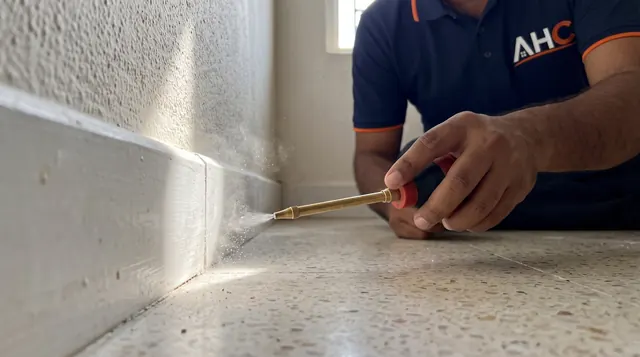
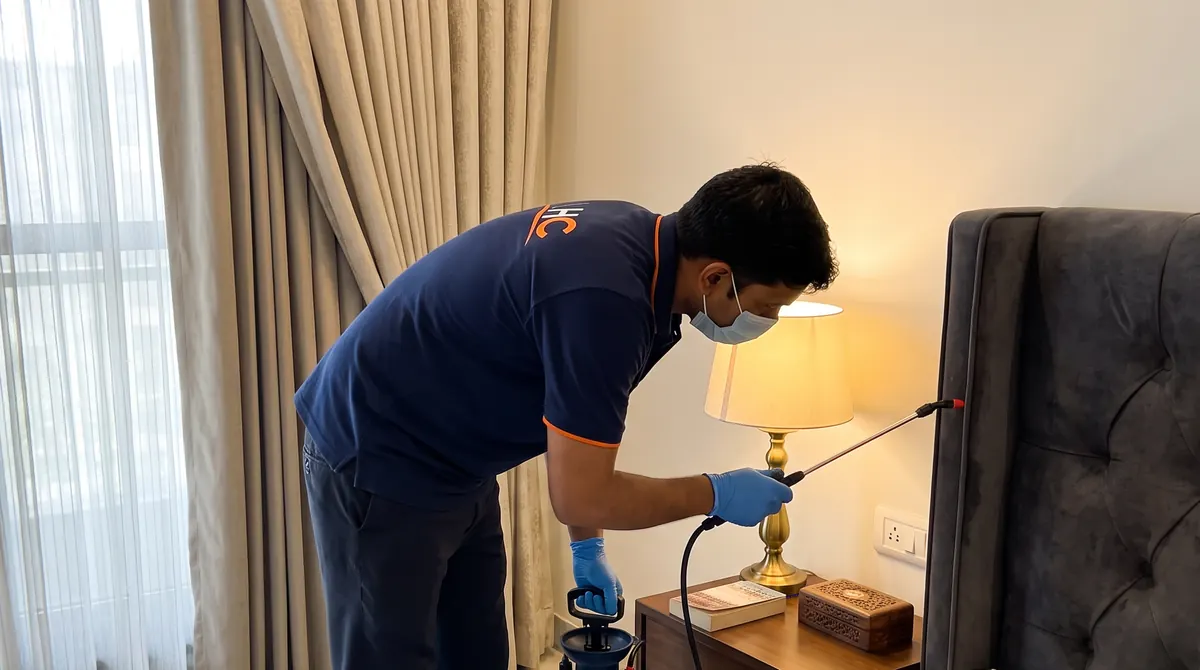
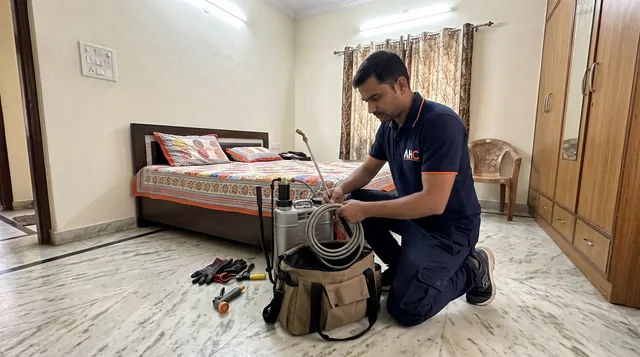
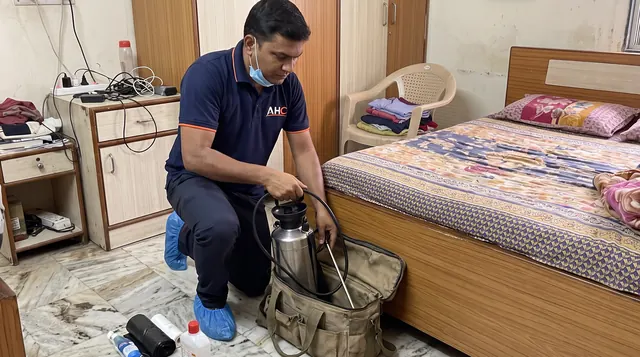
AHC's bed bug treatment is one thorough treatment, working the chemical deep into mattress seams and piping, bed and sofa joints, screw holes, bed-box corners and skirting cracks, so a residue keeps killing young bugs as they hatch over the following weeks. You keep the mattress, and the room is usable after 3–4 hours of airing. Prices are inclusive of all taxes:
| Home size | Inclusive of all taxes |
|---|---|
| 1RK | ₹1,599 |
| 1BHK | ₹2,299 |
| 2BHK | ₹2,999 |
| 3BHK | ₹3,799 |
| 4BHK | ₹4,599 |
Swipe to see the whole table
Once the prep list was followed, the treatment carries a warranty of 6 months*; the terms are on our warranty page. The hot wash before the treatment is still your part, and it matters as much as ours.
Sources
Need this done?